
Pediatric Dentist New Parent Questions Dallas
Straightforward Answers from a Board-Certified Pediatric Dentist

Being a new parent often boils down to late nights and having to look things up. Rather than wading through AI summaries or 1,000+ word articles, you can find answers to the most common pediatric dental questions we receive below. We’re here to offer you AND your child our complete support, so you are always welcome to call us with questions.
When should my child's teeth start coming in?

Most babies get their first tooth between 6 and 12 months of age, though every child is unique. So, don’t worry if their teeth appear notably later or earlier compared to their peers. Usually, the first teeth to make an appearance are the two bottom front ones (lower central incisors), followed shortly by the top front teeth. By the time your child is about 3 years old, they will typically have a full set of 20 primary (baby) teeth.
If your little one hasn't sprouted any teeth by their first birthday, there is no need to panic. Late teething often just runs in the family. However, we highly recommend scheduling your child's first dental visit by their first birthday anyway (or within 6 months of that first tooth appearing). This gives us a great opportunity to check their gums, answer any of your teething questions, and ensure their smile is developing beautifully right from the start!
When do baby teeth fall out?

Every child develops at their own pace, but most children begin losing their baby teeth around age 6. Typically, the lower front teeth are the first to go, followed by the upper front teeth. It is completely normal for this process to start a little earlier (around age four) or a little later (up to age seven). If your child’s baby teeth aren't falling out on this general timeline, don't worry. Just bring it up at their next checkup so we can keep an eye on their development.
How do I brush my kid’s teeth?
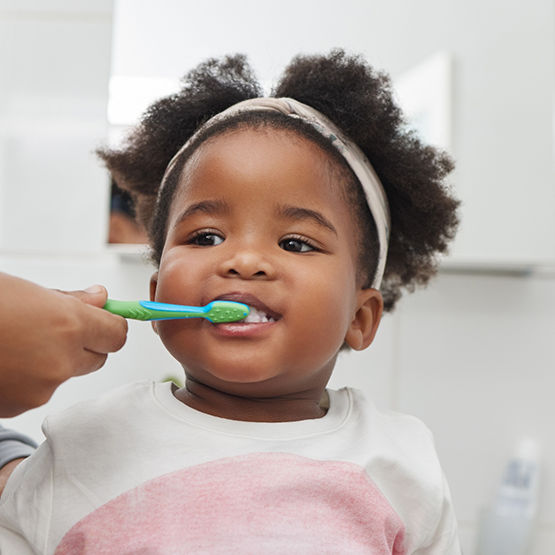
Good brushing habits start early! Use a soft-bristled, child-sized toothbrush and a fluoride toothpaste.
- Under age 3: Use a tiny smear of toothpaste, about the size of a grain of rice.
- Ages 3 to 6: Use a pea-sized amount of toothpaste.
Encourage your child to spit out the excess toothpaste, but don't worry if they swallow a little bit. Because young children lack the manual dexterity to clean their teeth thoroughly, parents should brush and supervise until the child is about 7 or 8 years old (a good rule of thumb is that they are ready to brush alone when they can tie their own shoes).
What causes childhood cavities?
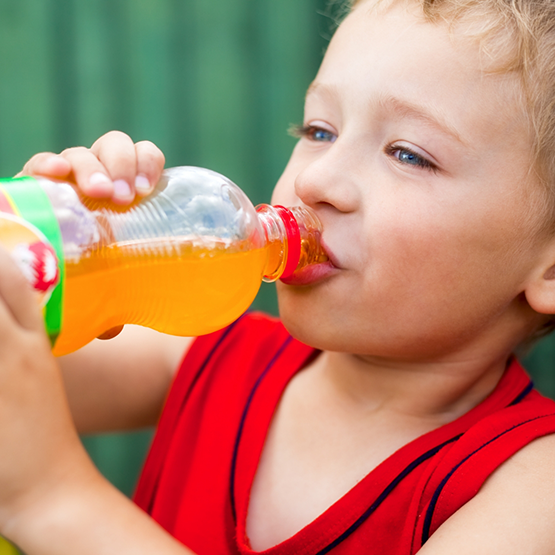
Cavities are caused by a combination of bacteria, sugars, and time. Our mouths naturally contain bacteria; when your child eats sugary or starchy foods (like fruit snacks, crackers, or juice), the bacteria feed on those leftover carbohydrates and produce acid. This acid attacks the tooth enamel, eventually creating a cavity. The best way to prevent this is by limiting sugary snacks and drinks, maintaining a great brushing and flossing routine, and keeping up with regular dental cleanings.
When should my child start flossing?
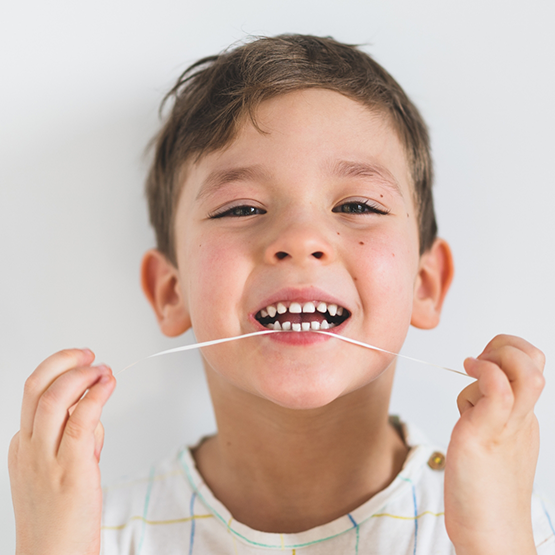
You should start flossing as soon as your child has two teeth that touch. For many kids, this happens between the ages of 2 and 6. Because a toothbrush cannot reach the tight spaces between the teeth, flossing is essential to remove plaque and food particles. Just like brushing, your child will need your help with flossing until they are about 10 years old and have developed the coordination to do it effectively on their own.
When should my child stop sucking their thumb?
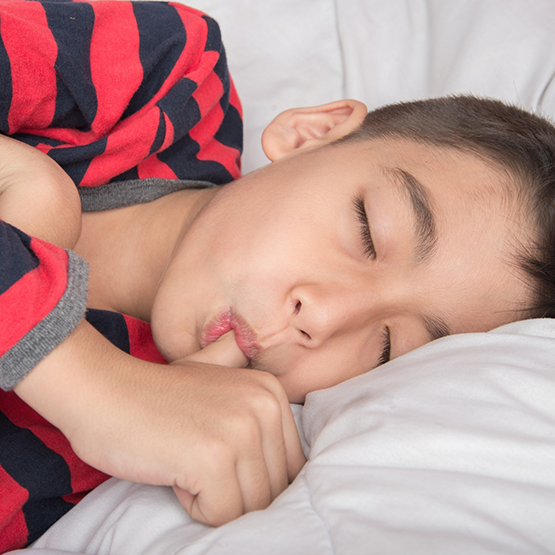
Thumb and finger sucking is a natural reflex that provides comfort to infants and toddlers. Most children stop this habit on their own between the ages of 2 and 4. If the habit continues past age 4, or when their permanent teeth begin to come in, it can affect the proper growth of the mouth and alignment of the teeth. If your older child is still sucking their thumb, let us know! We use gentle, positive reinforcement and behavior techniques in the office to help encourage them to stop.
When should my child stop using a pacifier?

While pacifiers are great for soothing infants, we generally recommend weaning your child off the pacifier between the ages of 1 and 3. Prolonged pacifier use (especially past age three) can lead to similar dental issues as thumb sucking, such as an open bite or changes to the roof of the mouth. If you are struggling to break the pacifier habit, ask our team for tips. We have plenty of gentle, proven strategies to share.
How can I make teething easier for my child?
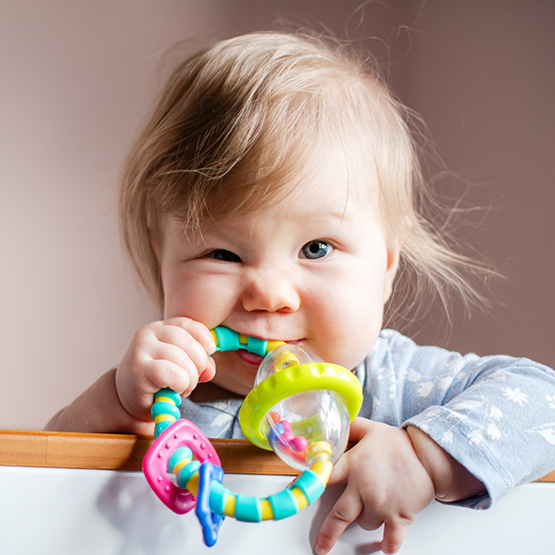
Teething can be an uncomfortable time for your little one (and for you!). To help soothe sore gums, try the following:
- Massage: Gently rub your child’s gums with a clean finger or a moistened gauze pad.
- Keep it cool: Offer a chilled (but never frozen) teething ring or a clean, wet washcloth that has been cooled in the refrigerator. The cool temperature helps numb the gums and reduce inflammation.
- Wipe away drool: Excessive drooling can cause a facial rash, so gently wipe your baby's face frequently and apply lotion if needed.
Note: We highly recommend avoiding over-the-counter teething gels containing benzocaine, as they can have rare but serious side effects in young children.